

Blog
Full Breakdown of Mining Costs: Professional vs. Home Miners – Have You Done the Math?

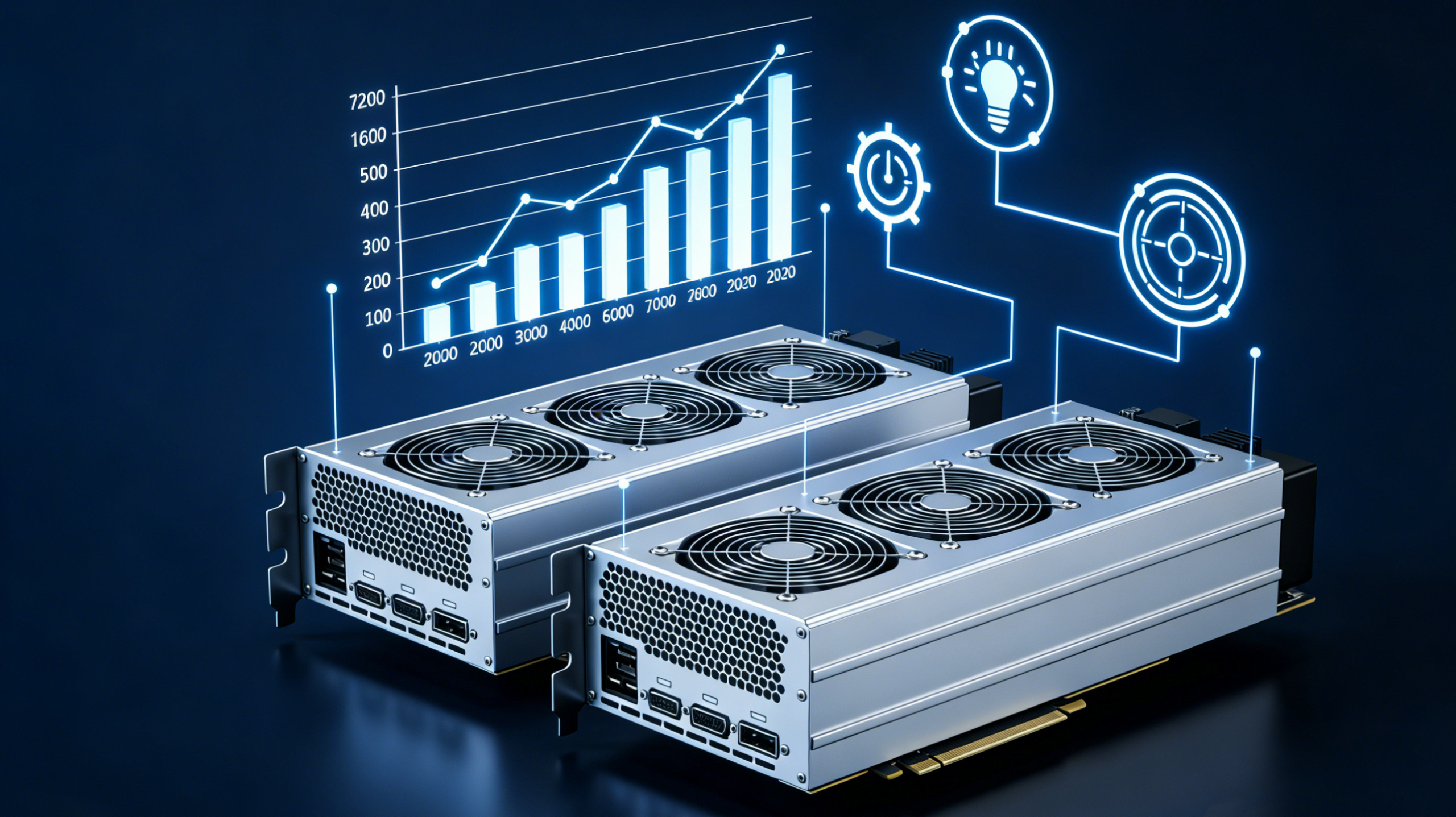
When people think about crypto mining, the first thought is often: “Buy a miner and you’re set to profit.” But once you’re in the game, you’ll find that electricity, hardware depreciation, and operational costs are quietly eating into your bottom line. Today, we break down the three core costs of mining to help you avoid costly mistakes.
1.Electricity – The Largest Mining Cost ⚡️
Electricity is always the single biggest expense in mining.
Professional ASIC Miners
- Power consumption: 3000–10000W
- Run 24/7, leading to substantial electricity bills
Home Miners (Low Hashrate)
- Power consumption: Tens to hundreds of watts
- Far lower electricity pressure, ideal for home-based mining experiences
In short: Higher power draw = higher electricity costs; home miners face significantly lighter electricity burdens.
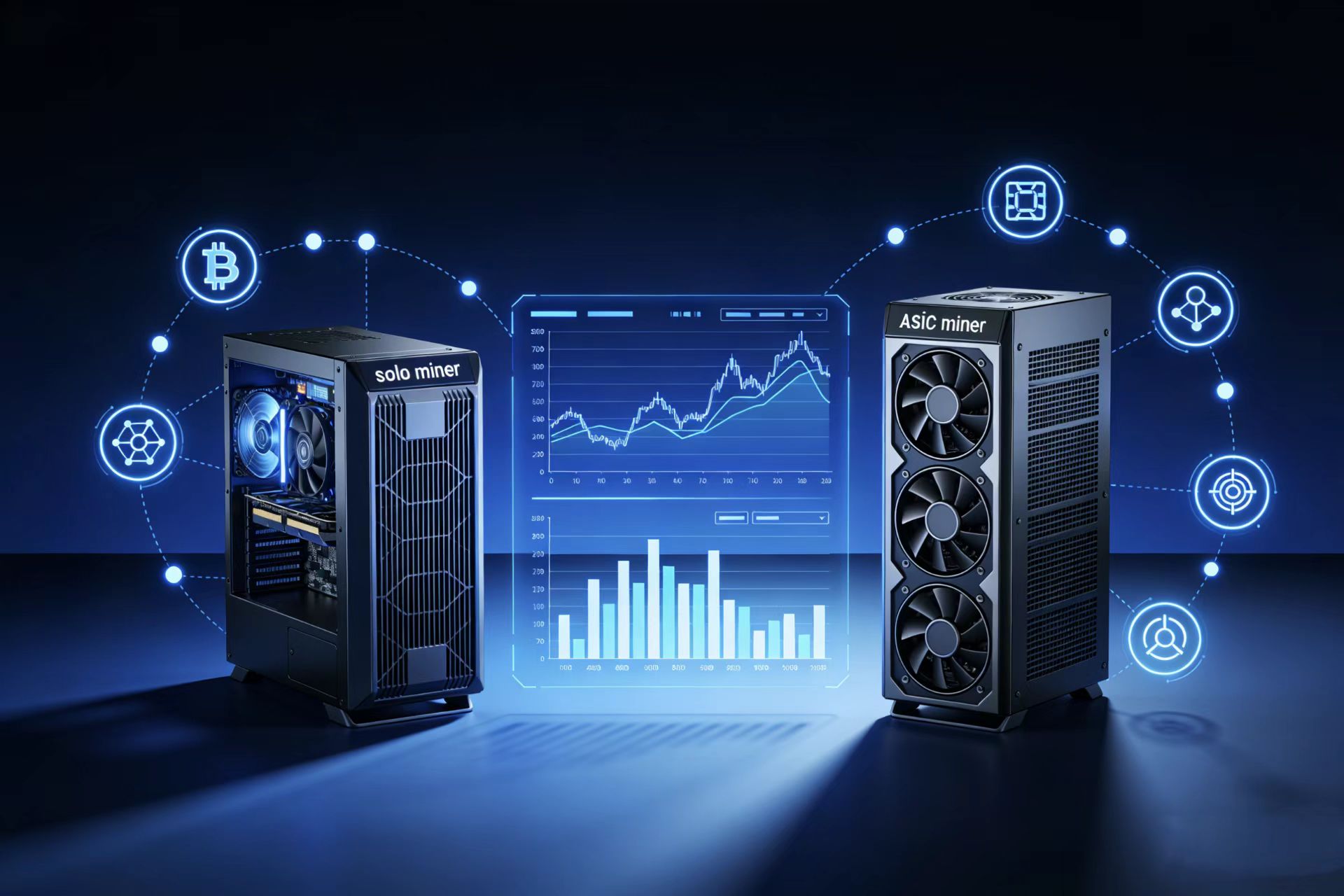
2.Hardware Costs – Upfront Investment in Miners💻
Miner prices depend on three key factors: hashrate, energy efficiency, and size/thermal design.
Professional Miners
- Price range: Thousands to tens of thousands of yuan
- Designed for mining farms, prioritizing maximum efficiency and long-term stability
Home Miners
- Price range: Hundreds to thousands of yuan
- Focus on “mining as an experience” and “participating in blockchain networks,” rather than pure profit
3.Operational Costs – Environment & Maintenance🔧
Professional Mining Farms
- Require dedicated facilities, cooling/noise reduction systems
- Need on-site technicians and stable network infrastructure
Home Miners
- Plug-and-play, compact, and low-noise
- Almost no extra maintenance, effectively zero operational costs
4.Cost Comparison: Professional vs. Home Miners
| Cost Type | Professional Miners | Home Miners |
| Electricity | 50–70% of total costs | 20–40% |
| Hardware | Thousands to tens of thousands of dollars | Hundreds to thousands of dollars |
| Operations | Dedicated facilities & labor | Household environment, no extra costs |
5.How to Calculate Payback Period?💰
To figure out your payback period, you only need three simple numbers:
the total cost of the miner, your daily electricity cost, and your daily mining income.
In simple terms:
Your payback time depends on how much you spend upfront and on electricity, compared to how much you earn each day.
Two factors will affect your result the most:
- Electricity price: Lower rates mean faster payback
- Crypto price: Bull markets shorten payback; bear markets can extend it significantly
Mining is a long-term investment tied to market volatility, not a get-rich-quick scheme.
6.Key Takeaways📌
- Mining costs = Electricity + Hardware + Operations
- Professional miners: Electricity is the dominant cost, best for large-scale, low-cost power setups
- Home miners: Prioritize experience over profit, with lower cost barriers for beginners
- Payback is highly sensitive to electricity and crypto prices – always calculate upfront
Home mining isn’t just about profit; it’s about participating in the blockchain revolution and experiencing technology firsthand.
💡 So, how long would it take for a miner to pay for itself at your local electricity rate? Why not crunch the numbers yourself and see what you find?